


This article provides a brief overview of the different types of inflation and their impacts on investments in infrastructure. As global aggregate inflation increases, monetary economists in Europe and the USA have raised interest rates in an attempt to reduce inflation they have increased the cost of funding and cost of delivering infrastructure projects necessary for the energy transition.
Data Sources: Ha, Jongrim; Kose, M. Ayhan; Ohnsorge, Franziska. 2021. "One-Stop Source: A Global Database of Inflation." Policy Research Working Paper; No. 9737. World Bank, Washington, DC.
Global energy price inflation has increased to one of the highest levels recorded since the global oil crisis in 1974 and is now up to 19.65%. The rising cost of energy has impacted Producer Price Inflation, which is now up to 13.05%. Food price inflation is now up to 8.62% and Consumer Price Inflation is now up to 4.49%. The combined effects of inflation present some significant challenges in making the energy transition affordable for governments that have to deliver economic value for money to the general population.
Energy inflation is essentially making it more expensive to produce materials and transport goods, which is driving up the cost of construction projects. Producer price inflation is essentially making it more expensive to produce the materials used in construction projects. Food price inflation is essentially increasing the cost of producing, distributing, and storing food products, which is driving demand for higher wages. Consumer price inflation is reducing the consumer demand, reducing the incentive to invest in large infrastructure projects that facilitate trade in goods and services.
Ever since the credit crisis in 2008, we have seen a structural underinvestment in the capital intensive industries that produce critical commodities. The reduction in financing saw money directed towards less capital intensive industries, such as technology and consumer services. For example, investors have preferred to invest in Ocado over Anglo American because the return on equity in Ocado was greater than that of Anglo American. The issue is that the structural underinvestment in critical commodities has caused supply shortages.

Ever since the credit crisis in 2008, we have seen a structural underinvestment in the capital intensive industries that produce critical commodities. The reduction in financing saw money directed towards less capital intensive industries, such as technology and consumer services. For example, investors have preferred to invest in Ocado over Anglo American because the return on equity in Ocado was greater than that of Anglo American. The issue is that the structural underinvestment in critical commodities has caused supply shortages.


copyright Authentic Evidence Limited
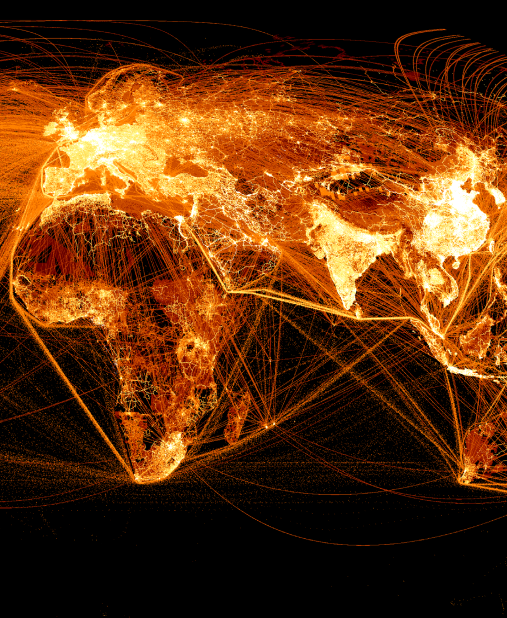
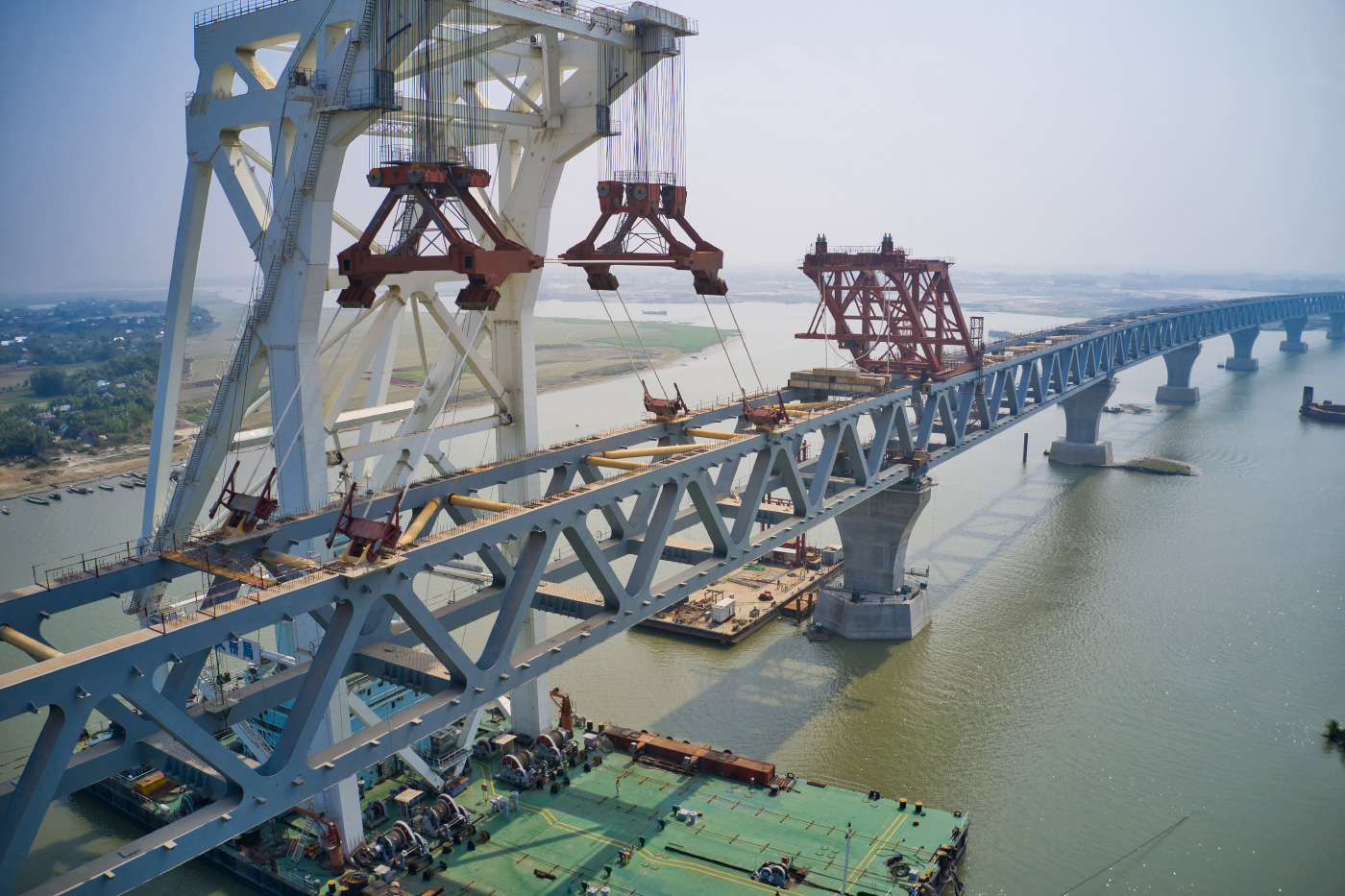
China has become the global superpower when it comes to hedging inflation and managing investments in infrastructure through the Belt and Road Initiative (BRI). By committing more than $932 billion of investments in infrastructure across the energy, metals, agriculture and transport value chains in more than 60 countries, the BRI now contributes to more than 30% of global GDP and 25% of world trade. These investments have created a natural hedge downside risk of inflation for the Chinese economy as it pursues its economic growth and political influence strategy in the global economy.
The most successful outcome of the One Belt One Road Initiative (OBOR) is increased connectivity between countries in Europe, Asia and Africa. This has led to greater economic cooperation, trade and investment. It’s also provided the Chinese government with a natural hedge against different forms of inflation as it’s become the major buyer of commodities in the primary and manufacturing economies and the major supplier of physical goods to consumer-oriented economies in Europe and North America. It’s given China significant bargaining power in world trade and politics.
As part of the UK governments’ …

We were hired to support Hitach…

We were hired by BAE Systems to…
We were hired to design the sof…
We were hired to provide digita…